

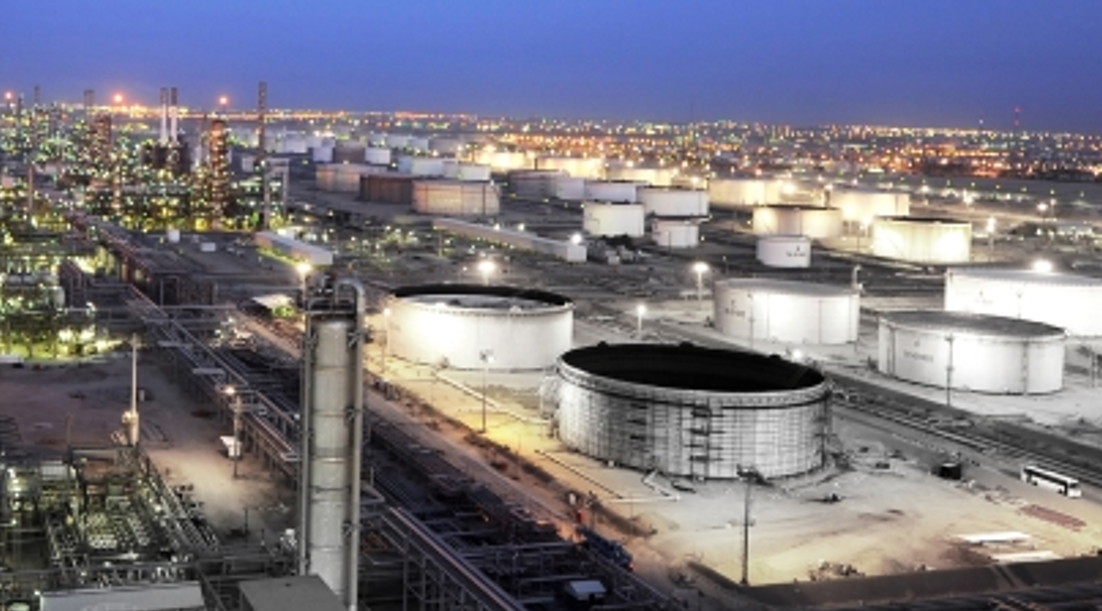
The state-owned KNPC said that the fire was contained and later extinguished after firefighters attended the scene. The fire was an isolated incident and has not impacted the refinery’s electrical supply or oil exports, the company added.
The fire reportedly broke out at the refinery’s atmospheric residue desulphurisation (ARDS) unit. Several people suffered minor injuries, including smoke inhalation, and received treatment at the site. Some of the injured required treatment at hospital, but the KNPC said they were in a stable condition.
Via a series of tweets, the KNPC CEO Waleed Al-Bader said that: “Anyone who knows the oil industry is undoubtedly aware that it sometimes involves potential risks resulting from the nature of its operations and tasks, as it is one of the major industries, in which highly flammable materials are dealt with, and with huge mechanisms and equipment of great complexity and accuracy.
“I would like to note the high level of professionalism with which the process of combating this fire was carried out, and complete control over it in record time, as it reflected the extent of the efficiency and ability of our employees to face such emergency situations, as well as the accuracy and superiority of the safety systems and procedures approved by the company.”
“In order to ensure the safety of our employees, and to ensure that the company’s operations run regularly and in a safe environment, a technical committee has been formed according to the procedures followed, to find out the causes of this accident, and to avoid its non-recurrence in the future, and to benefit from its lessons in re-evaluating security and safety systems.”
Key Findings from the Investigation
- Origin: The fire broke out in the desulfurization unit, a critical part of the refinery used to remove sulfur from fuel products.
- Casualties: One worker tragically died, and four others were injured — two of whom required hospitalization.
- Containment: KNPC reported that the fire was quickly contained and did not spread beyond the affected unit.
- Operational Impact: No official statement confirmed whether refinery production was disrupted, but the scope was described as limited.
- Next Steps: KNPC launched a formal investigation to determine the root cause and implement preventive measures to avoid recurrence.
In the case of the fire at Kuwait’s largest oil refinery, functional safety measures could have played a pivotal role in preventing ignition, limiting escalation, and protecting personnel. Here’s how:
Functional Safety Measures That Could Have Helped
| Safety Function | Purpose | SIL Target | Standard Reference |
|---|---|---|---|
| Fire & Gas Detection System | Detect hydrocarbon leaks, flames, and toxic gases in real time | SIL 2–3 | IEC 61508 / IEC 61511 |
| Automatic Emergency Shutdown (ESD) | Isolate fuel sources and shut down critical systems to prevent escalation | SIL 3 | IEC 61511 |
| Deluge & Suppression Systems | Activate water or foam systems automatically upon fire detection | SIL 2 | IEC 61508 |
| Hot Work Permit Interlocks | Prevent ignition sources during maintenance unless safety conditions met | SIL 1–2 | ISO 13849 / IEC 61508 |
| Ventilation & Gas Dispersion Control | Ensure flammable vapors are diluted and removed from enclosed areas | SIL 2 | IEC 61511 |
| Occupancy Detection & Alarm Systems | Alert and evacuate personnel from hazardous zones | SIL 1 | IEC 61511 / ISO 13849 |
| Safety Instrumented Functions (SIFs) | Coordinate logic for shutdowns, alarms, and isolation | SIL 2–3 | IEC 61508 |
Key Lessons for Refinery Safety
- Maintenance-phase hazards (like hot work) require dynamic risk assessment and interlocked safety systems.
- Functional safety lifecycle (hazard analysis → design → validation → maintenance) ensures systems remain reliable over time.
- Integration with cybersecurity (ISA/IEC-62443) is essential to protect safety systems from manipulation or failure.
Industrial Cybersecurity Integration (ISA/IEC-62443)
To safeguard the reliability of the safety systems, the following cybersecurity controls must be embedded:
- Zone-Based Network Segmentation: Safety systems (SIS, FGS) isolated via firewalls and data diodes.
- Role-Based Access Control (RBAC): Prevent unsafe override of shutdown logic or sensor values.
- Secure Logging and Forensics: Timestamped logging of all actions during and prior to the event.
- Anomaly Detection Systems (ADS): Detect unusual command sequences or PLC data patterns.
- Cyber-Hardened Endpoints: All HMIs, controllers, and engineering workstations hardened against malware and tampering.
Source: Link

Don't forget to subscribe to OT Connect Newsletter - The News That Matters. A good balance between informative, valuable information and solutions with less than 20% of marketing content.


Get Involved & Participate!
Comments