

OIL AND GAS
The oil and gas industry or also called the hydrocarbons sector chain corresponds to the set of economic activities related to exploration, production, transport, refining or processing and marketing of non-renewable natural resources known as hydrocarbons (organic material composed mainly of hydrogen and carbon), this set is also made up of the regulation and administration of these activities.
PROCESSES
The value chain typically consists of three major areas; (a) exploration and production – upstream, (b) Transport – midstream, and (c) Refining and Marketing – downstream.
Also known as exploration and production (E&P), this sector includes the search for potential crude oil and natural gas deposits, both underground and underwater, the drilling of exploratory wells, and subsequently the drilling and exploitation of wells that bring crude oil or natural gas to the surface.
It consists of transporting them from the wellhead to storage and processing sites, such as pumping stations, refineries and marketing centers (ports). Hydrocarbons are transported through oil (petroleum), gas pipelines (gas), tank cars (oil) and ships (oil).
It commonly refers to the tasks of refining crude oil and the processing and purification of natural gas, as well as the marketing and distribution of products derived from crude oil and natural gas. Refining consists of transforming oil by subjecting it to high temperatures, which reach 400 degrees Celsius, to obtain derived products. Process by which a wide variety of derived products are transformed, mainly fuels (ACPM and gasoline) and petrochemicals (petroleum jelly, brushes, tires, plastics).
In this link all those activities of a commercial nature are carried out, to make the products available to users. Typically, wholesale or retail distributors are used. Petroleum and gas derivatives are usually gasoline, lubricants, poison, kerosene, tires, paraffin, detergents, polyethylene, solvents, and others.
NEEDS
The hydrocarbon industry is generally highly regulated, often with price controls and is often the government of ownership and operation. Typically, many of the facilities involved in each of the industry’s processes can come to be considered critical infrastructure and therefore of national interest. This classification should be determined as a result of the criticality assessment using appropriate assessment methods, techniques and models. Suppliers of industrial automation, security, and service systems in conjunction with hydrocarbon operators must ensure compliance with security and cybersecurity standards, such as ISA/IEC-62443, NIST 800-53/82, IEC-61511, API, NPFA, and others. Keeping up with rules and regulations is a challenge. 
SECURITY AND COMPLIANCE
Strategies and solutions based on information security technologies and perimeters are not enough to protect against all modern threats against electrical infrastructures. Industrial cybersecurity requires the protection of physical assets, i.e. the domain of physical security. Many programmable logic controllers (PLCs) and controllers for feed water pumps, feed water, valves, furnaces, boilers, turbines, generators, and capacitors are vulnerable due to the lack of built-in cryptographic controls, including: multi-factor authentication, secure boot, secure update, and encrypted secure communications.
OUR SOLUTION
In operational technology (OT) environments, risk is measured in terms of industrial safety and system availability. While data privacy is important, often human physical security, industrial process safety, environmental stewardship, and uptime drive the security needs of plants and large SCADA systems.
|
Most Common Threats and Causes of Risks to Oil & Gas Industries
Ransomware Attacks: Disrupt operations by encrypting critical systems. High-profile example: the Colonial Pipeline attack, which halted fuel distribution across the U.S. East Coast.
Phishing & Social Engineering: Entry point for most ransomware and credential theft. Exploits human error to bypass technical defenses.
Industrial IoT (IIoT) Vulnerabilities: Smart sensors and remote monitoring expand the attack surface. Many IIoT devices lack robust security controls.
Legacy Systems & Patch Gaps: Outdated SCADA and DCS platforms are common. Often incompatible with modern security tools, making patching difficult.
Supply Chain Attacks: Compromised third-party software or hardware introduces hidden threats. Attackers may exploit firmware updates or vendor access.
Insider Threats: Employees or contractors with privileged access may intentionally or accidentally cause harm. Often overlooked in risk assessments.
Distributed Denial-of-Service (DDoS): Overloads systems to disrupt operations or distract from deeper intrusions. AI-driven DDoS attacks are becoming more sophisticated.
Remote Access Exploits: VPNs and remote desktop tools are often misconfigured. Especially risky in offshore or unmanned facilities.
Some Strategic Mitigation Approaches
- Adopt ISA/IEC-62443 for OT cybersecurity lifecycle management.
- Segment IT and OT networks with strict access controls.
- Implement continuous monitoring (SIEM, IDS/IPS).
- Train personnel on phishing and incident response.
- Vet third-party vendors and require SBOMs (Software Bill of Materials).
- Develop and test incident response plans regularly.
|
OTConnect News. Articles and Publications.
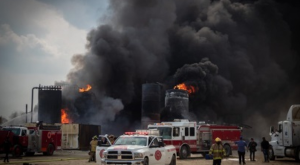
Explosion at diesel processing facility injures worker in mexico facility
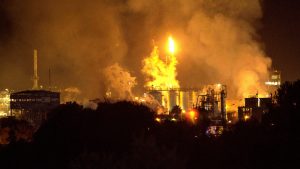
Chemical plant fire in Spain sends several towns into lockdown
The Flixborough disaster
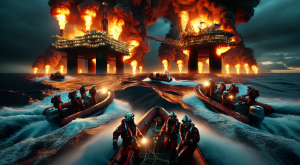
Fire on Petrobras offshore platform seriously injures 14
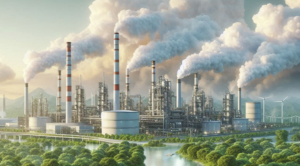
Svilosa Chemical plant fire injures three employees
Pemex refinery blaze injures four
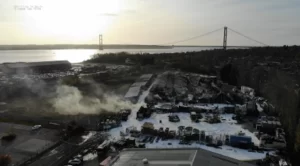
A factory fire in Hull, UK, involved 300 tonnes of plastic
Fire injures “a number of people” at Kuwait’s largest oil refinery
UK gas processing terminal shut down after methane leak
First interim report into July chemical explosion that killed seven in Leverkusen reveals likely cause
US CSB releases safety video on fatal 2019 hydrogen sulphide release
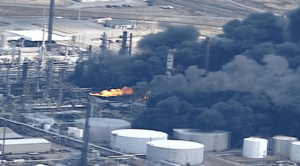
US refinery reaches $1 million settlement, admits no wrongdoing in 2018 explosion that injured 36
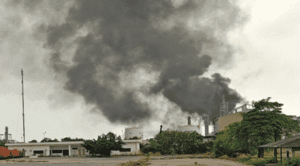
Russian chemical plant fire kills seven
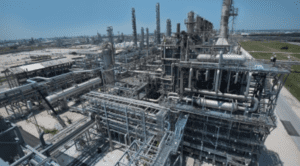
US chemical plant leak kills two, injures 30
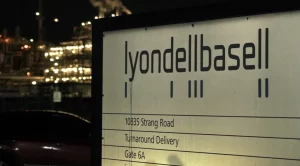
2 dead, 30 hospitalized after ‘mass casualties’ incident at LyondellBasell chemical plant near La Porte
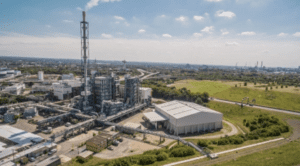
Chemical park explosion kills two person in Germany, five people still missing and 31 injured
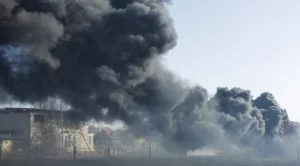
Pipeline Pumping Station Explosion Kills Three in Iran
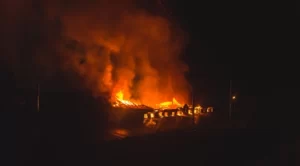
Chemical factory explosion kills one and leaves 39 injured in Thailand
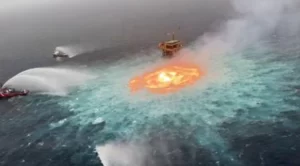
‘Eye of Fire’ in Gulf of Mexico Caused by Thunderstorm, Says PEMEX
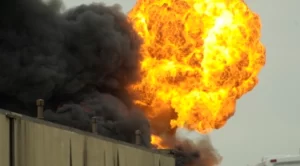
The explosion of a chemical plant causes major fires and mass evacuations in the US.
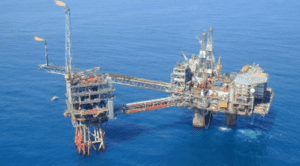
Oil company fined £400,000 for North Sea platform gas leak
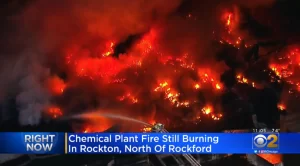
Massive fire at chemical plant in Rockton, Illinois, could burn for days
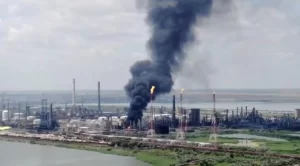
Deadly explosion reported at Romania’s largest oil refinery
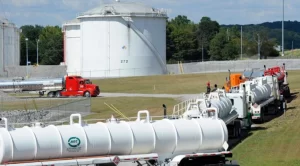
Cyberattack forces closure of major U.S. pipeline

Manage, evaluate, and deploy ISA/IEC-62443 like an expert

ARPEL and WisePlant sign cooperation agreement to promote the strengthening of cybersecurity in the energy sector in Latin America and the Caribbean