
A critical SSH vulnerability in Erlang/OTP (CVE-2025-32433), discovered by Ruhr University Bochum, has been rapidly exploited in OT networks across multiple industries and countries, prompting urgent patching and security measures to prevent remote code execution and operational disruptions.

Author: Kevin Harrys
Hackers use Windows RID hijacking to create hidden admin account
Learn how hackers exploit Windows RID hijacking to create hidden admin accounts, posing serious security threats. Understand the dangers and take action to counter these stealth attacks effectively. Keep yourself informed and safeguard against potential intrusions.
Ransomware gang uses SSH tunnels for stealthy VMware ESXi access
Discover how cybercriminals leverage SSH tunnels to discreetly breach VMware ESXi servers. Experts raise alarms on growing covert access threats amid ransomware operations. Dive into the study shedding light on virtualization security risks.
Fortinet VPN Zero-Day Exploited in Malware Attacks Remains Unpatched
Security experts express alarm as unpatched Fortinet VPN zero-day continues to fuel malicious attacks. Concerns grow over unresolved vulnerabilities posing a critical security threat. Hackers exploit flaws despite ongoing alerts to users, highlighting persistent risks in today’s cybersecurity landscape.
CISA says critical Fortinet RCE flaw now exploited in attacks
Stay alert! CISA raises alarm as Fortinet RCE flaw exploits surge. Take immediate action to protect your systems.
Ransomware Hits Critical Infrastructure Hard, Costs Adding Up
The article iscusses the rising threat of ransomware attacks on critical infrastructure, highlighting the economic toll, challenges in securing vital systems, implications of recent attacks on public services, and government initiatives to combat cyber threats. The journalistic style and professional tone aim to inform readers about the severity of ransomware attacks on essential services and the importance of enhancing cybersecurity measures to safeguard critical infrastructure.
American Water, the largest water utility in US, is targeted by a cyberattack
Discover the implications of the recent cyberattack on American Water, the largest water utility in the US. Learn about the ongoing investigation and steps taken to safeguard national security.
Microsoft Windows ‘Critical Vulnerability’ Warning—You Have 72 Hours To Update Your PC
Stay protected from the latest high-risk security flaw! Microsoft issues urgent warning for Microsoft Windows users, update your PC within 72 hours to secure it. Time is running out.
CISA: Network switch RCE flaw impacts critical infrastructure
Discover the latest CISA alert on a critical network RCE switch flaw impacting infrastructure security. Learn why immediate action is crucial. WisePlant’s cybersecurity experts emphasize the importance of patching affected devices to protect against potential cyber threats. Collaborative efforts are essential to safeguard national security.
Microsoft ends development of Windows Server Update Services (WSUS)
Discover the repercussions as Microsoft halts WSUS development. Learn about alternatives, community feedback, and the future of server updates.
CISA warns of Windows flaw used in infostealer malware attacks
CISA alerts of critical Windows flaw exploited in infostealer malware attacks, stressing urgent action. WisePlant is here to safeguard your systems.
FreeBSD Releases Urgent Patch for High-Severity OpenSSH Vulnerability
FreeBSD takes swift action to address critical OpenSSH vulnerability, issuing urgent patch for heightened security.
0.0.0.0 Day: 18-Year-Old Browser Vulnerability Impacts MacOS and Linux Devices
A recently discovered “0.0.0.0 Day” vulnerability that affects major web browsers like Chrome, Firefox, and Safari. This vulnerability could be exploited by malicious websites to gain unauthorized access to local networks on macOS and Linux devices.
VMware ESXi hypervisor vulnerability grants full admin privileges
Security researchers at Microsoft have discovered a vulnerability in VMware ESXi hypervisors that has been exploited by ransomware operators to gain full administrative access to a domain-joined hypervisor.
ICS malware FrostyGoop takes advantage of Modbus weakness, remains a threat to OT worldwide.
The malware leverages Modbus TCP communications to target operational technology assets — and can easily be repurposed to compromise other industrial controllers, putting widespread critical infrastructure at risk.
PKfail Secure Boot bypass lets attackers install UEFI malware
PKfail, a supply-chain issue, has affected hundreds of UEFI products for over 12 years, leaving nearly 900 devices vulnerable to malware installation. Vendors and users must follow best practices, apply updates and patches, monitor, and protect devices, and replace test keys. Prompt firmware upgrades are advised, and leaked AMI PK devices should be disconnected from critical networks.
CISA warns of actively exploited Juniper pre-auth RCE exploit chain
In addition, CISA is working with Juniper Networks to develop a patch for the vulnerabilities associated with the exploit chain. CISA is also working with other vendors to ensure that their products are not vulnerable to the exploit chain.
Cisco warned customers of a high-severity cisco switch vulnerabilities.
Cisco has recently warned customers of a high-severity vulnerability impacting some of its switch models. This vulnerability could allow attackers to tamper with encrypted traffic, potentially leading to data theft or other malicious activities. Cisco has released a security advisory to address the issue and is urging customers to update their systems as soon as possible.
CISA Warns of Flaws in Siemens, GE Digital, and Contec Industrial Control Systems
CISA has issued a warning about critical vulnerabilities in Siemens, GE Digital, and Contec industrial control systems. These flaws could allow attackers to gain access to and manipulate the systems.
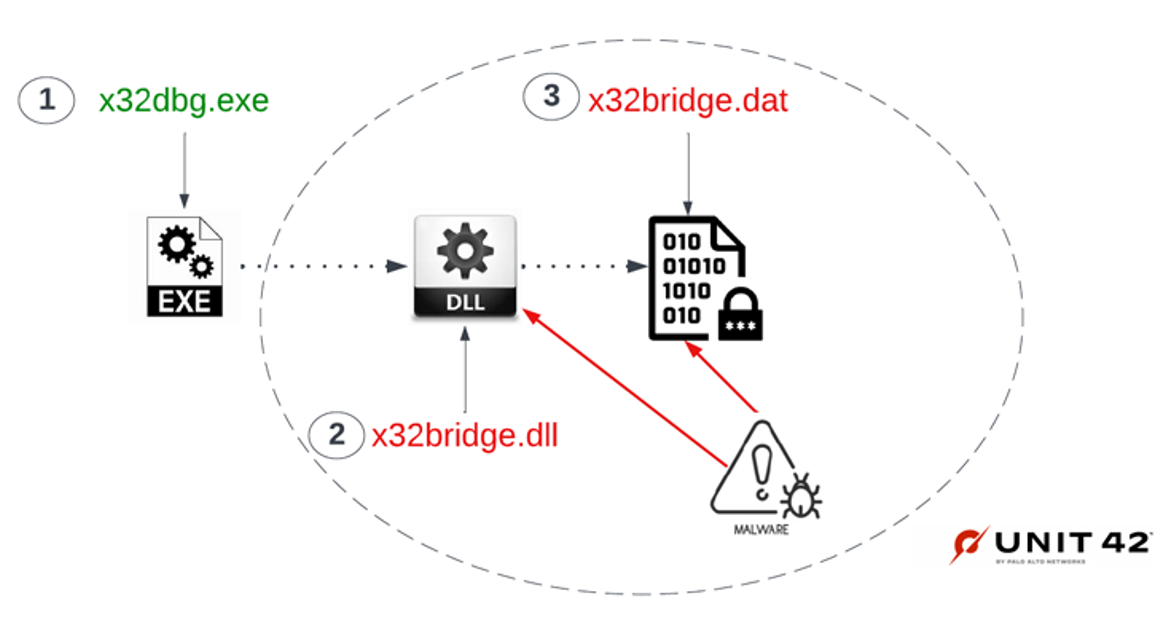
Researchers Discover New PlugX Malware Variant Spreading via Removable USB Devices
“This PlugX variant is wormable and infects USB devices in such a way that it conceals itself from the Windows operating file system,” Palo Alto Networks Unit 42 researchers Mike Harbison and Jen Miller-Osborn said. “A user would not know their USB device is infected or possibly used to exfiltrate data out of their networks.”